If you are in the market for a weekend-home—or dreaming of the possibility—it is helpful to keep one foot on the ground throughout the planning process so that you aren’t gobsmacked by unpleasant surprises down the road. Life in the country is an unparalleled, quiet luxury that comes at the expense of daily urban conveniences. We find those trade-offs are absolutely worth it, however, and expect you may too, provided you’re honest with yourself and your expectations from the start.
Owning an investment property (such as a home you intend to rent to vacationers) and owning a weekend-home are two different matters. While the two can overlap, our focus at Upland Weekends is on the weekend-home lifestyle. Therefore, we consider the issue from that perspective alone.
When you remove questions of the property’s broader public appeal, proximity to tourism amenities, and local vacation market trends, you gain the freedom to choose a place that truly speaks to you and your dreams. The following are our top considerations to help you plan early and effectively so that you can focus more fully on the enjoyment ahead.
Choosing the Right Community
When becoming a weekend-home owner in the country, you’re not simply purchasing a property; you’re becoming part of a small town community. And as you want that community to meet your needs? You should also expect to help the community meet theirs. That mutual relationship is, in our experience, one of the most rewarding aspects of weekend-home life.
It is important, therefore, to understand the vibe of any prospective community and whether it fits you, your family, and your lifestyle. Rural communities have their own rhythms—restaurants that stop serving at 8, shops closed on Sundays and Mondays, nowhere to buy a major newspaper, plumbers who double as fire chiefs, and grocery stores with “ethnic foods” sections stocked with dusty LaChoy bottles and cans of refried beans. And the residents like it this way; you must be able to as well.
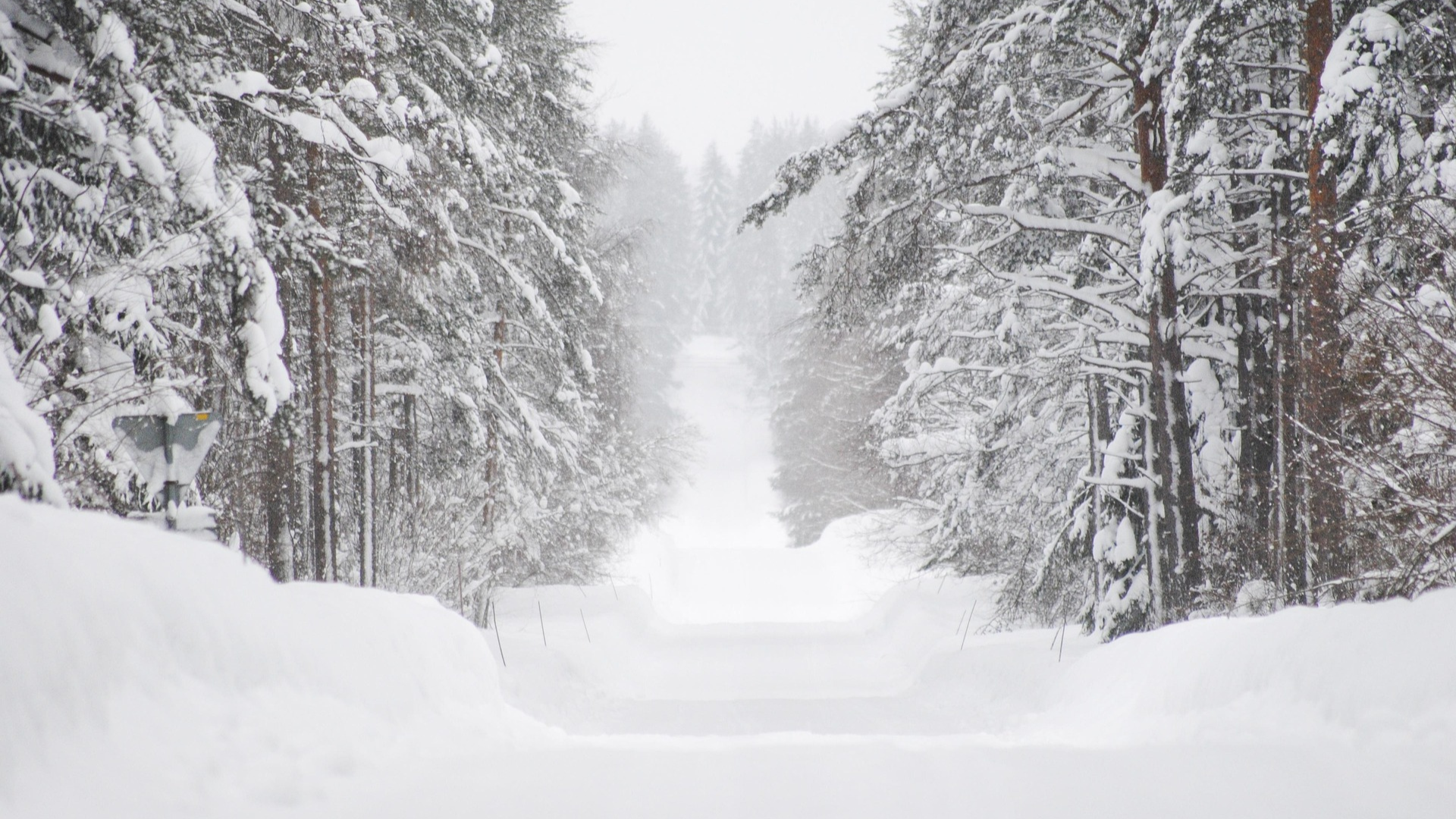
Seasonal fluctuations matter as well. Our upland community bustles in summer and fall, but becomes nearly dormant for four months of every year—a stretch that can feel long if you’re not prepared for it. Business hours shift, some shops and restaurants close entirely, and friends often travel during these snowy months. We are comfortable with this slower pace and many locals even relish it. Again, the question is, will you?
Renting a house for a year or two in a community in which you’re considering buying is an excellent way to test the fit. It allows you to experience the seasons, understand the quirks, and build relationships—connections that become invaluable if you ultimately decide to put down roots.
Infrastructure Matters
Life in a small upland community isn’t exactly off-grid, but it does come with infrastructure considerations that urban dwellers often take for granted. You need to know what they are and how much flexibility you can tolerate. To name a few:
- How frequent are power outages? How long do they typically last?
- How broad-reaching is cell phone coverage?
- Is there high-speed internet?
- Is there public sewage and water?
- Are roads maintained year-round?
- Does your community have land phone lines?
- How close is the nearest hospital? Trauma center?
- Is mail delivered to your address? What about UPS or FedEx?
Even within the same community, infrastructure can vary dramatically. Only two years ago, to meet expanding work demands, we paid to have a coaxial broadband line dragged through the woods to our house—while our neighbors two miles west had enjoyed this same utility for years, without the $15,000 installation cost. Service interruptions on this line, which drapes over the underbrush, are also not unusual. Nor are electrical outages. When storms and even rambunctious squirrels knock out the power, we are typically one of the last properties to have ours restored. Investments in personal utilities such as whole-house generators can make this less of a bother, but if they’re not connected to a natural gas line for unlimited runtime? Even these reliable machines have limitations—it’s helpful to know what yours are too.
Expect the Unexpected
Weekend homes that sit empty for long stretches require extra attention to prevent small issues from becoming major headaches. Without a plan in place to promptly address concerns, leaks, mold, storm damage, and even four-legged squatters can quickly consume the free time that is meant to feel restorative
In larger, tourism-driven communities, it is easier to find property management businesses to provide this oversight. In small, rural communities, however, finding someone who is both capable of and willing to keep an eye on your place is far more challenging. It is important to decide early on who will handle problems as they arise—because they will. Recently, one of our two furnaces simply stopped working—not due to a power outage but to a cluster of faulty switches. Had it gone unnoticed, it could have escalated into frozen pipes, property damage, and a far more expensive repair. Thankfully, it was caught quickly, the right team was called, and the house was secured again before we even arrived.
Smart systems can assist in monitoring, they can’t replace local knowledge or serve as a conduit to reliable help. Unless your weekend-house is close enough for you to check on it regularly? You’ll need a dependable caretaker, and you should expect to invest 8-12% of your monthly mortgage or rental cost for that service.