
You may think you have few neighbors at your country house, but you would be wrong. Everyone who’s spent time living in the uplands knows, your house is often not your home alone. That said? It’s preferable to choose who and what you invite in, so we’re here to share our experiences with some of the techniques/tools we use to limit unauthorized guests. Hopefully, this information can help you work effectively with an experienced pest management company and ultimately limit your headaches.
What problems you encounter and how prolific they are depend primarily on where you live in the country. And how you avoid minor annoyances or even costly damage by managing them is dependent on your comfort level with professionally recommended techniques. Finding a good “pest management company” with whom you can develop a long-term relationship helps in drafting/executing an annual plan. In addition, you may want to keep a “wildlife control” company’s name on hand for any matters of greater…let’s just say, urgency. Simply put, there may be certain encounters you don’t feel comfortable managing before your first cup of coffee.
In the interest of full disclosure, I will say this: We do spray and treat for certain insects within the house because we’ve ultimately found no better way to prevent or manage these bugs. We do not, however, pay for monthly treatments we feel are excessive. We do recommend that you discuss what non-toxic, preventative measures can be taken first to properly seal your house and prevent pests from entering, period. Then, discuss an annual plan with a local pest management company and proceed with what feels right for your family
The Sneaky Seven
We’ve had homes in the West, Mid-Atlantic, and Northeast. For the most part, these have been the pests and insects in each of those regions that have presented significant challenges inside our home.
Insects
- Carpenter Bees: If you have any wood on the exterior of your house that you care about? You’ll want to ask your local pest management company about how to discourage them from turning your home into Swiss cheese. Ask over the winter so that you’re prepared for their arrival in late spring. They can do a great deal of damage in a short amount of time, so proper planning is important. They prefer unpainted, weathered, and soft woods. So you can certainly keep that in mind if building. But for what it’s worth, I’ve seen them bore directly through painted soffit and fascia boards on a relatively new house.
- Cluster Flies: We call these C-130s because of their huge size and slow-moving flight habits. They can be a particular annoyance in homes that sit quietly for any stretch of time, because they like seldom-used rooms and warm attic spaces. Treating for these guys in the late summer or early fall is best.
- Sugar Ants: Every spring into early summer, lines of these tiny ants pop up in maybe one or two rooms in our home. Even though we’re very careful about eliminating temptation, every year they reappear. Luckily, there is a product we found works effectively, so we simply use it as needed and keep a stockpile in our utility closet. Terro Bait Traps are genius; you simply open and set them along the traffic line the ants are traveling. Then you walk away and allow the ant march to continue (I know, I know…but you must). After they eat the bait, they stagger back to their nest and kill the remaining colony. It works quickly, too; I’d say about a day or three, and they will be gone.
- Carpenter Ants: If you spot even one of these big boys in your house, be vigilant and look for others. These large, black ants can cause structural damage by nesting in decaying wood. So your vigilance is essential to 1) kill these destructive insects, and 2) identify what wood has decayed and why. We had an infestation a few years ago that had me sick to my stomach. They seemed to be everywhere. And we couldn’t pinpoint where they were emerging. I tried to use my Terro Traps, but found them ineffective with this species. I finally had to call an expert who fogged the exterior siding–and out they all came. And died. The expensive discovery process of why they were there in the first place followed. Consequently, we had a clogged French drain, and our downspout was causing the gutters to overflow during strong rains…which were occurring when the house was closed, so no one caught it.
- Stink Bugs: Preventing these nuisances from entering your house is the only way to avoid them. If you find a better way, let me know. We absolutely hate them. And vacuum them with regularity. Which brings me to a point: Keeping a cordless vacuum on hand is incredibly helpful and makes quick work of this grim task. Some are better than others at disposing of dead bugs….which can really pile up in a weekend or vacation home. I’d recommend checking out this model, as we’ve had good luck with Shark products–our cleaning person actually prefers them to “the more expensive brand.” Great for use on screened porches as well, which are bug graveyards in any region.

Mice and (I’m Sorry) the Rare Snake
Snakes: Let’s just get this out of the way first. This is not happening often, but it does happen. Take heart in the fact that I’ve only had to participate in two dramatic snake removal missions in my adult life. Finding sloughed snake skins in basements, however? It happens. The best way to avoid this unfortunate family of guests is to prevent them altogether.
The same “sealing the house” strategy pest management companies use to ward off insects and mice will also work with snakes. Simply sealing the holes and gaps goes a long way. So does managing for mice in general. If you don’t have food running about your house, snakes won’t have a reason to hang out inside.
Finally, limit the proximity of hiding spots to your house. Snakes love a good pile. Piles of rocks….stacks of wood….anything they can hide in and catch critters that also, like a good hiding spot. So limit the amount of wood you keep handy on the front porch and locate your primary wood supply further away from the house.
Mice: Again, the general rule of thumb? Prevent them first. This involves not only executing the same “sealing the house” plan, but also minimizing and/or eliminating all opportunistic food sources. Learn more from our article, Perfecting Your Pantry. In addition to proper food storage? Remove wet garbage nightly. Wipe down kitchen counters. And limit food to certain rooms–a strategy that is about as popular with kids as it is with mice.
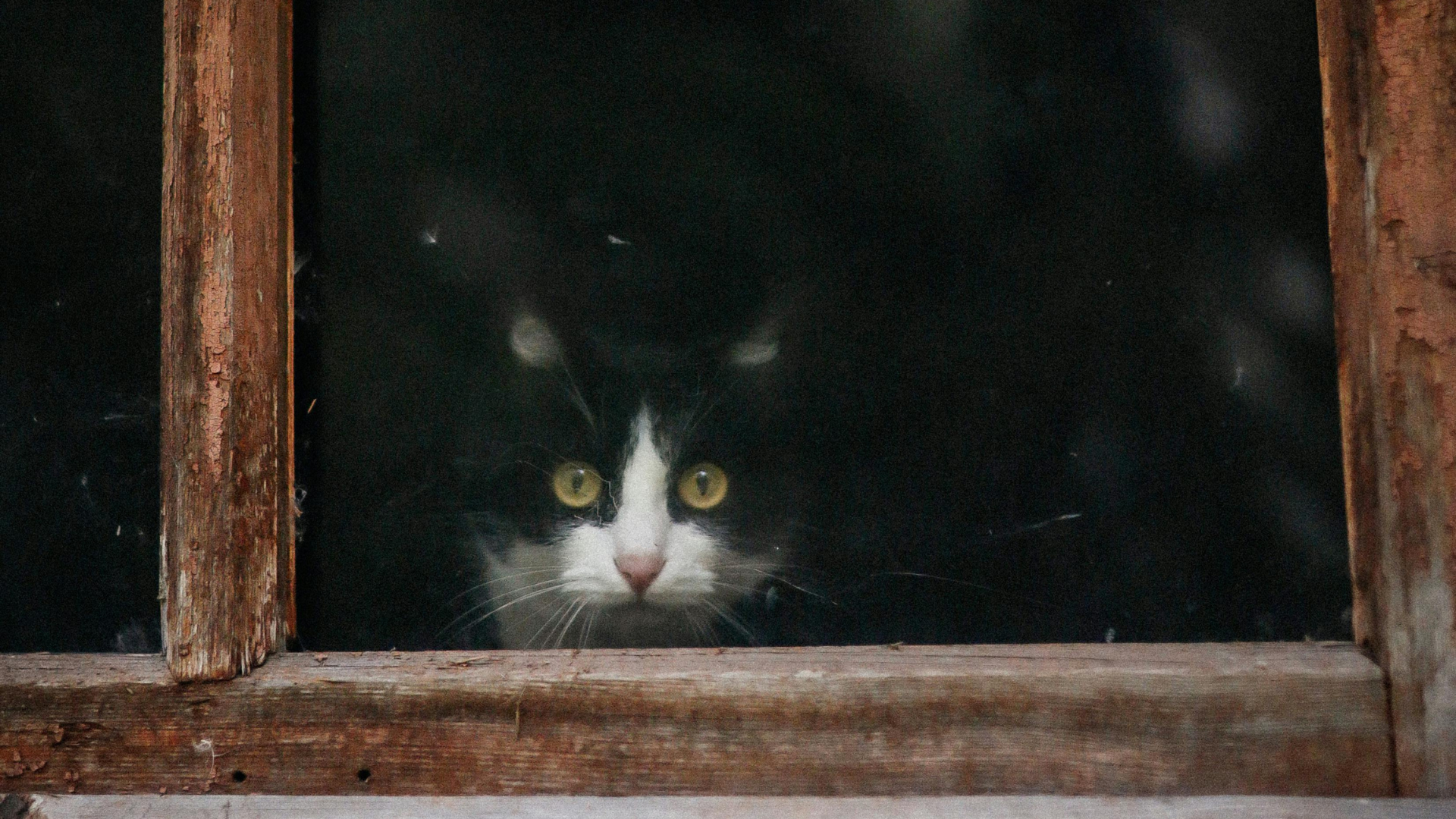
As for traps? I recommend only two: a cat or a snap-trap. Quite seriously, when our cat joins us at our upland house, the mice scram. They seem to dislike even his presence. And in fairness, he’s a stone-cold gangster and semi-professional guard-cat. As for store-bought products, we will only buy snap-traps. I find the glue versions to be inhumane. And I can put you in touch with a friend whose unfortunate dog ventured into a stack she kept stored under a sink; that was an expensive trip to the groomer.
These models by Tomcat are quite effective and slightly less heart-stopping to set. It is also easy (and no-touch) to dispose of their quary. We use a reserved jar of inexpensive peanut butter rather than cheese, and use disposable wooden tongue depressors to apply it. Be certain to line the trap with the bait-end against a wall. It will make it more likely to “secure” its intended victim.
Finally, DO NOT use poison. I will not elaborate further, only to say sick mice who fall prey to animals or birds can kill the predator as well. Second a dead, decaying mouse in your walls is NOT something you want to contend with. Kill them in the open where you can dispose of them promptly.